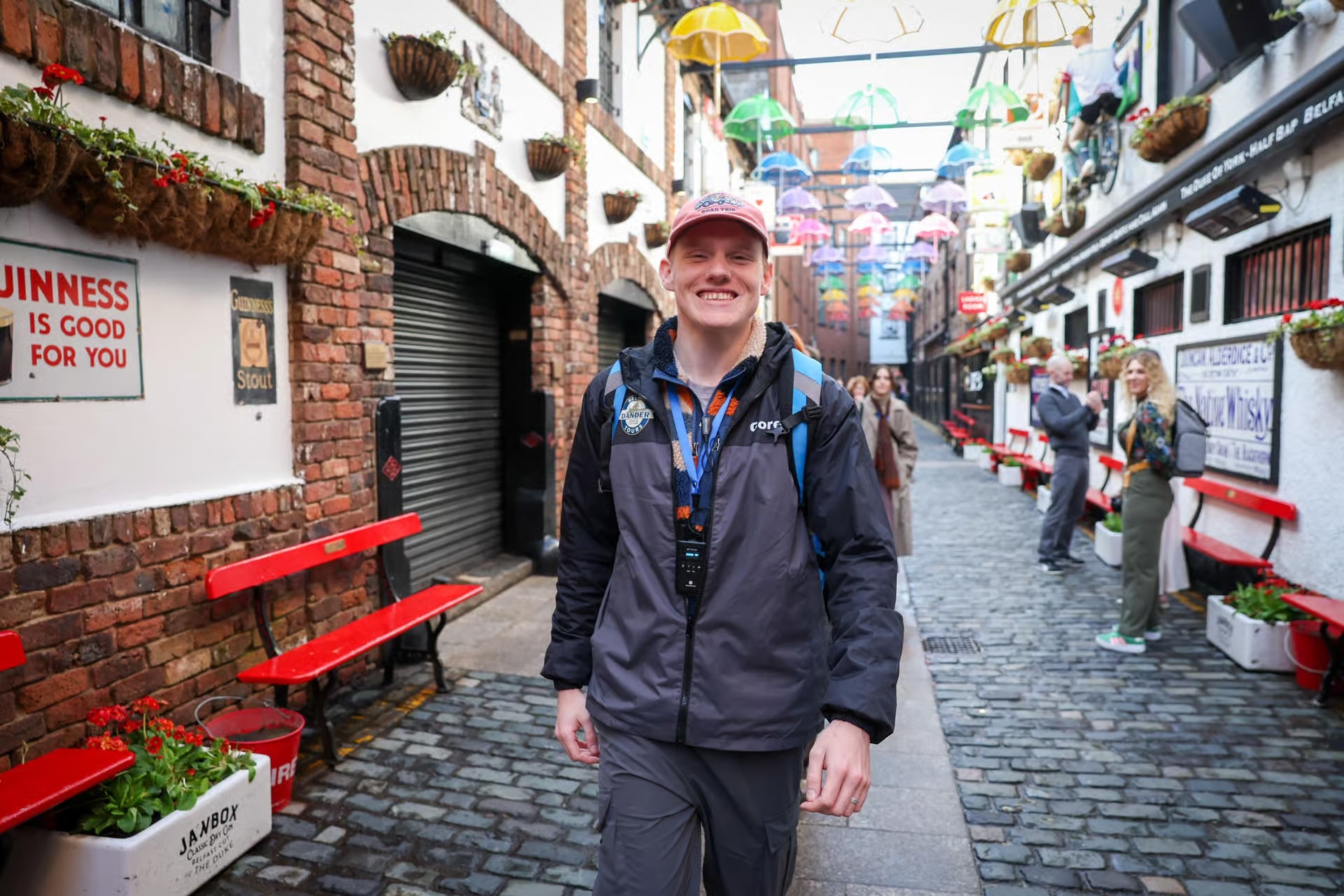



Storytelling matters. But how do you actually build a story into a three-hour walking tour or a full-day adventure?
In this blog post, we’ll share practical tips for turning any tour into a story travelers will remember and recommend.
Why story structure matters for tours
After analyzing 3.1 million verified reviews, we found that experiences creating emotional connections through storytelling consistently earn higher ratings and more detailed, enthusiastic reviews.
In fact, guides are the #1 delighter across all review categories, with 98% of all guide mentions being positive.
The difference? Great guides tell stories. They create emotional connections. They make travelers feel something.
That's the difference between a tour anyone could give and one that only you can deliver.
1. The opening: make the first 10 minutes count
Think about the last time you were truly hooked by something. A podcast, a conversation with a stranger, a book you couldn't put down. It probably grabbed you in the first few minutes, right?
Your tour works the same way. Skip the logistics and safety briefings at the start. Open with something that makes guests think, "I'm glad I'm here".
So what actually works? Here are four ways to hook guests immediately:
- Try starting with a question that makes people curious: "See that café on the corner? Three US presidents have eaten there, but that's not why it's famous". Now everyone's looking at the café differently. They're hooked. That's what you want in the first 60 seconds.
- Share a surprising fact that changes how guests see what's in front of them.
- Tell them a brief story about a person, instead of a building or date.
- Create immediate sensory engagement: a taste, a sound, or a smell that anchors the moment.
Example: Instead of starting a food tour with "Welcome, today we'll visit five restaurants," begin at a bakery: "Smell that? That's the same sourdough starter that's been fed every single day since 1952. The baker's grandmother started it, and when she got too old to bake, she cried handing it over to her son. Today you're going to taste 70 years of one family's mornings." This works because you made them smell something, feel something, and immediately connected it to a human story. Those are the details people will tell their friends about.
2. The build: create momentum through your middle stops
Each stop on your tours should build on the last, creating a sense of progression and deepening understanding. This is where most tours fall flat; they become a series of unconnected interesting facts.
Here are some hints on how to fix that:
- Start by layering information progressively. Show guests what they can see first, then reveal what they can't.
- Create "aha moments". Let guests feel like they're discovering things themselves.
- Vary the pace. Alternate between high-energy moments and quieter, reflective ones.
- Use callbacks that reference earlier moments to create cohesion.
- Introduce the "characters" of your story, whether they're historical figures, local artisans, or the neighborhood itself.
Example: On a wine tour, don't just pour five wines randomly. Start with a light white that shows the terroir, move to a rosé that introduces the winemaker's philosophy, then build to the bold red that brings it all together. Each glass teaches guests what to taste in the next.
Reviews show that guide knowledge and guide quality are top delighters for guided tours. When you build your narrative with expertise that comes from your lived experience (maybe you grew up in wine country, or you're a sommelier, or your family owns a vineyard), guests notice and mention it specifically in reviews.
That personal expertise is what makes your tour a distinct choice, not just another wine tasting.
3. The peak: design your most memorable moment
What should be your tour's highlight? The answer is simple: the moment guests will describe when friends ask, "How was it!?" Plan this intentionally and position it strategically (usually about two-thirds through).
This could be exclusive access – a behind-the-scenes moment others can't get. Or an unexpected revelation that reframes everything they’ve learned. Maybe it’s an emotional high point, like a story that moves people or a view that takes their breath away. Or a participatory moment where guests do something meaningful, not just observe.
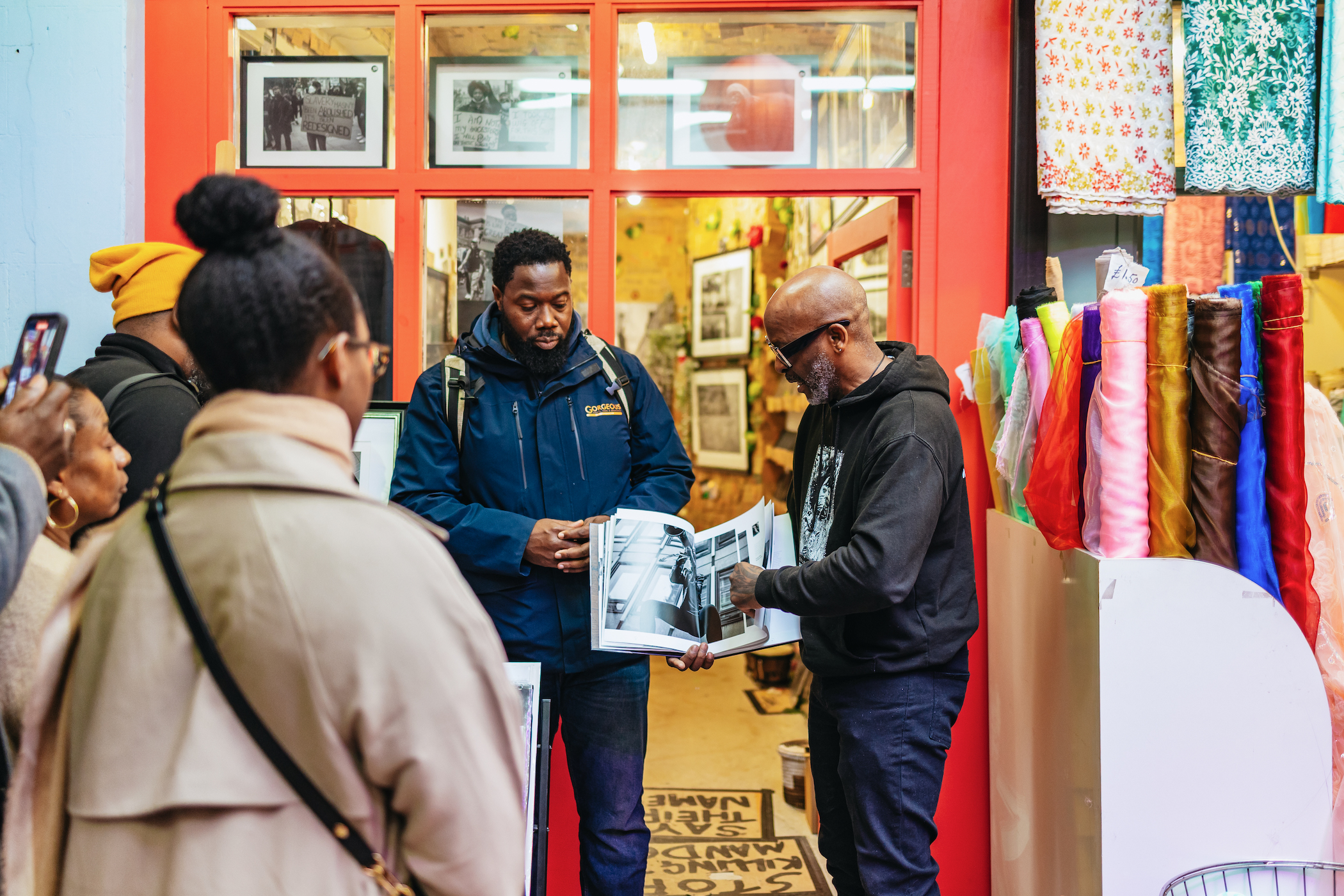
Example: Untapped New York's subway tour builds to exploring a hidden abandoned station that most New Yorkers don't know exists. Everything before this moment has prepared guests to appreciate why this space matters. It's not just cool; it's the emotional payoff of the entire narrative.
"If we can impress someone who's been living in the city for 30 years, we can definitely blow the mind of someone who landed that morning." — Untapped New York
.jpeg)
Plant the review seed here: Right after your peak moment, when guests are still buzzing, casually mention, "Moments like this are exactly why I love sharing this tour. If you feel the same way at the end, I'd love to hear what surprised you most."
You're not asking for a review yet. You're priming them to notice what they're feeling. Encourage rich reviews by asking guests what was immersive or surprising, or how they enjoyed a specific story you shared.
4. The close: end with intention
Think about the best conversations you've had. They don't just stop awkwardly when someone looks at their watch. There's a natural conclusion that makes you both feel satisfied.
Your tour needs that too. The ending matters as much as the beginning.
Four ways to close strong:
- Circle back to your opening. Reference the question or story you started with.
- Reveal the "so what". Help guests understand why this experience matters beyond today.
- End on emotion. The last thing you say should be memorable.
- Give them something to take home, even if it's just a recommendation or a new way of seeing.
Example: That food tour that started at the bakery with the 70-year-old sourdough starter? End by giving each guest a small jar of starter to take home. "This is from the same batch. Feed it, and you'll have a piece of this neighborhood in your kitchen. Every time you bake with it, you're continuing the story."
Now ask for the review naturally: After you've brought the narrative full circle and ended on emotion, pause. Let the moment land. Then: "I have one small favor. This tour exists because of stories like the ones you heard today, and reviews help other travelers find us. If something today surprised you, made you laugh, or changed how you see this neighbourhood, would you share that? It takes two minutes."
Make it easy: Hand out cards with a QR code that links directly to your review page. Or send a text message with the link while you're all still together.
Recommended read: Introducing Review QR Codes: Get More Reviews & Boost Bookings
Activities with five reviews are nearly four times as likely to be booked as those with none, so this matters for the performance of your activity.
Common mistakes that kill your narrative
You've probably been on a tour that felt... off. Maybe you couldn't put your finger on why, but something didn't click. Here are the patterns that break the spell, and how to avoid them:
- Listing facts without a narrative thread won't stick with guests. Select only details that serve your story. You don't need to share everything you know. In fact, the best guides know what to leave out.
- Making every stop feel the same. When there's no variety in energy or pacing, guests tune out. They stop asking questions. They start checking their phones. Vary energy, length, and emotional tone throughout. Some stops should be two minutes, others ten. Mix up your emotional tone - follow something heavy with something light, something loud with something quiet. Think of it like music: you need dynamics to keep people engaged.
- Random interesting facts might entertain, but they won't create a memorable experience. Sure, that tidbit about the mayor's secret mistress is fascinating. But if it doesn't connect to your central narrative, it's just noise. Every element should tie back to your story. Ask yourself: does this detail help guests understand the bigger picture, or am I just showing off what I know?
- Just stopping when time runs out leaves guests hanging. This is like ending a movie mid-scene. Your guests feel cheated. They were invested, and then... nothing. Plan your conclusion as carefully as your opening. Even if you're running late, take 60 seconds to bring it home. Circle back to where you started. Give them something to hold onto.
- Delivering only basic information when guests expect insider knowledge. AI can generate facts. Google can show photos. Guests booked you because they want what only a human guide can offer; your lived experience, your relationships, your insider perspective. When you stick to surface-level information anyone could find online, you're underselling yourself. Share the stories only you know. Make introductions only you can make. That's what makes you worth booking.
- Forgetting to read the room. Your script might be perfect, but if half your group is exhausted and the other half is buzzing with energy, you need to adapt. Great storytelling isn't just about what you say; it's about when and how you say it. If someone asks a question that takes you off script, that's often a gift. It means they're engaged. Follow that thread.
Now here's the real question: how do you know if any of this is working?
Test your story structure
Ask yourself these questions:
- Can guests summarize your tour's "story" in one sentence? If not, your narrative isn't clear enough.
- Do guests ask questions that show they're invested? Questions mean they care about what happens next.
- Do reviews mention specific moments by name? That's proof your story structure created memorable peaks.
- Would this tour work in a different order? If yes, you might have interesting stops but not a true narrative.
- Did anyone stay behind to ask you more questions after the tour ended? That's the ultimate test. When people don't want it to be over, you've nailed it.
Your next step
Choose one tour to restructure this week. You don't need to change your stops or add new content; just resequence and reframe what you already have through a narrative lens.
- Identify your peak moment.
- Craft an opening that makes guests lean in from the first minute.
- Plan an ending that brings it all together.
- Build in a natural moment to invite reviews.
The destinations, the facts, and the locations stay the same. But when you structure them as a story, it becomes that one very special experience travelers will remember.